Showing posts with label Scripture Study: Book of Mormon: Jacob. Show all posts

Tuesday, April 15, 2014

Jacob 7

(Below is a list of questions and quotes that help me think about each verse as I read it. The numbers represent the verses in the chapter.)

As we rely on the Lord we can overcome challenges to our faith. We cannot be shaken in our faith if our testimonies are based on revelation and true spiritual experiences. As we respond to questions or criticisms of our faith in ways the invite the Spirit, we can help others turn to the Lord. Even though life sometimes seems difficult we, like Jacob, can find great strength in our relationship with the Lord.

1-5. What talents or abilities did Sherem possess? What was the source of Sherem's power? What were Jacob's strengths? What was the source of Jacob's power? What kind of people would have been most influenced  by Sherem? what kind of people would have rejected Sherem and followed Jacob? Why do you think so many people today follow those who tell them flattering falsehoods?
1-2. What kind of a man was Sherem? What were his doctrines? What is an anti-Christ?
"An anti-Christ is someone who vigorously or intensely opposes Christ and tries to destroy other people's faith in Him, His true Church, His gospel, or the plan of salvation." - Book of Mormon Study Guide for Home-study Seminary Students [2012], 95

3. What effect did Sherem have on the people? Why does one who is anti-Christ seek to destroy the faith of others? Have you ever known or seen someone persecute another for their belief in Christ? How would you respond to one to seeks to lead your heart away from Christ?
"One of mortality's great tests comes when our beliefs are questioned or criticized. In such moments, we may want to respond aggressively... But these are important opportunities to step back, pray, and follow the Savior's example. Remember that Jesus Himself was despised and rejected by the world... When we respond to our accusers as the Savior did, we not only become more Christlike, we invite others to feel His love and follow Him as well." -Robert D Hales, GC, October 2008

4. Why is it sometimes difficult to defend your faith against someone who is learned and has much power of speech? What is flattery? Why are people so quickly deceived by one who uses flattering words? How can you gain the spirit of discernment that you may discern these attitudes BEFORE they can take you from the Savior? How does daily scriptures study and prayer assist you in obtaining the power of discernment?
5. How would you respond to a person like Sherem? Why was Sherem unable to shake Jacob from teh truth? What kept Jacob from being flattered and deceived by Sherem? How does remembering past experiences that strengthened your faith help you rely on the Lord in times of persecution? How does a firm testimony in Jesus Christ help you stand firmly against the flattering designs of evil men?
5. How can you strengthen your testimony so that it will not be shaken when what you believe is questioned or criticized?
5. Notice that because of Jacob's previous spiritual experiences his faith became unshakable. What are some experiences that have strengthened your faith? How can remembering or recording these experiences help you when someone questions or criticizes your faith?
6-7. What did Sherem want the people to believe? How did Sherem misinterpret the doctrine of Christ? In what ways can you identify false doctrine? What was wrong with Sherem's contention that the 'doctrine of Christ' was against the law of Moses (See also Jacob 4:4-5)?
8. How do you stand firm in the face of false claims such as those of Sherem? How does relying on the guidance and strength from the Holy Ghost help you to rely on the Lord in times of persecution? What do you need to do to be able to have the Spirit poured into your soul? How has the Holy Ghost helped you as you have dealt with questions or criticisms about your faith?
9. How did Jacob's testimony of Christ differ from that of Sherem? How did Sherem try to sidestep the question? What did Sherem say in this verse that contradicts what he said in verse 7? What does that teach you about telling lies?
"When a false theory has to be maintained, it requires to be set forth with much care; it requires a study, and learning, and cunning sophistry to gild over a falsehood and give it the semblance of truth, and make it plausible and congenial to the feelings of the people; but the most simple and unlearned person can tell you the truth. A child can tell you the truth, in child-like language, while falsehood requires the lawyer and the priest to tell it to make it at all plausible; it requires a scholastic education to make falsehood pass for truth." – Brigham Young, Journal of Discourses, 11:214

10-11. Who do the scriptures testify of? How is it possible that Sherem could claim to believe the scriptures and yet deny Christ? Why is it so important to seek the spirit as you read and study the scriptures? How can this practice help you avoid the spiritual condition that Sherem is in? How can a daily habit of studying the scriptures and the words of latter-day prophets help you in circumstances when others question or criticize your faith? How can testifying of the scriptures and words of the prophets help you rely on the Lord in the face of persecution?
12. How strong is your testimony of Christ? Do you KNOW for yourself of the power of the Atonement? How can this sure knowledge protect you from anti-Christ or atheist beliefs? When have you shared your testimony with someone who has questioned or criticized your faith? What was the result?
13-14. Have you ever secretly wished that those who persecute you for your beliefs could be punished in some obvious way by God? Do you ever wish that you could choose the punishment? How did Jacob face this temptation? Why is it so important that we leave the outcome of the choices of others firmly in Gods hands?
13. Have you ever used the phrase 'Prove it!'? When you use that phrase, what are you usually asking for? What phrase did Sherem use that was his way of saying 'Prove it'? What happens that lets you know that the Lord was not pleased that Sherem demanded a sign? What dangers are there in seeking a sign that God lives? How many signs exist around you every day?
"Show me a sign, said Sherem, but a sign was not really what he wanted. Satan had convinced Sherem that it was not possible to know something that could not be seen. Jacob knew that even though we cannot see the Holy Ghost, his power is undeniable. Believers in Jesus Christ our promised signs, not to create faith but because of their faith. Those who seek signs without faith will be condemned by the evidence they seek." – Book of Mormon Student Study Guide [2000], 66

14.What was Jacob's counsel to Sherem on seeking a sign from God? Who did Jacob allow to decided if a sign would be given? Rather than seeking to prove the truthfulness of his testimony when Sherem sought  for a sign, Jacob left the outcome in the Lord's hands. How can it help you to know that you don't need to prove the truthfulness of your testimony to those who challenge your faith?
15-23. What do you think it means to see opportunity in the midst of opposition? What good resulted from Jacob's encounter with Sherem?
"When we do not retaliate - when we turn the other cheek and resist feelings of anger - we… stand with the Savior. We show forth His love, which is the only power that can subdue the adversary and answer our accusers without accusing them in return. That is not weakness. That is christian courage. Through the years we learn that challenges to our faith are not new, and they aren't likely to disappear soon. But true disciples of Christ see opportunity in the midst of opposition… Fortunately, the Lord knows the hearts of our accusers and how we can most effectively respond to them. As true disciples seek guidance from the spirit, they received inspiration tailored to each encounter. And in every encounter, true disciples respond in ways that invite the spirit of the Lord." – Robert D Hales, GC, October 2008

15. What did the Lord do to Sherem? What do you suppose Sherem learned in the many days that he was 'nourished'?
16. Why do you suppose Sherem desired to speak to the people before he died? Why was it important that he do so?
17. How had Sherem's beliefs changed? What doctrine did he embrace? Why did he desire that the people know of his change of heart?
18. What did Sherem attribute his false teachings to? Who had deceived him? Why do you think that Satan had been able to deceive him?
19. Why is it so wrong to lie unto God? Can you ever fool God into believing something other than the truth? What did Sherem fear would be his eternal reward? Even recognizing this possibility, why was his confession of such importance to his own spiritual progression even in the face of death? How are we blessed when we seek to correct our mistakes, even if we cannot undo the consequences of those choices?
21-25. What blessings came as a result of this spiritual crisis? What evidence is there that this experience increased the Nephites trust in God? How did they overcome Sherem's teachings? What can you do to avoid the deceptions of the world today?
21. How powerfully did the Spirit witness to the people that Sherem was now testifying of true doctrine? How did it affect the people? Why did the people fall to the earth? What do find most interesting about Sherem's confession? What was Sherem's greatest fear in the end?
22. How was this manifestation of the Spirit a blessing for Jacob? 
23. How did Sherem's confession and the power of the Spirit help to restore peace and love among the people? How was searching the scriptures a type of insulation from any such teachings affecting the people again? Do you insulate and protect yourself from evil with daily scripture study? What can you do to ensure that you are protected from the influence of false doctrines?
24. How did the unity of the Nephite people influence how they felt about the Lamanites? What did they desire for the Lamanites? How do you feel about your enemies?
25. Who did the Nephite people put their trust in? How did trusting in God help them to overcome their enemies? What can you do to overcome spiritual darts thrown by your enemies? What is one thing you will do to prepare for a time when someone challenges your faith?
26. How did Jacob describe his days? How are your days similar? Even though trials and adversity are a part of life, what brought Jacob joy? What is the source of your joy and happiness?

Monday, April 14, 2014

Jacob 6

(Below is a list of questions and quotes that help me think about each verse as I read it. The numbers represent the verses in the chapter.)

We are wise to prepare now for judgement by repenting and receiving the Lord's mercy.

1-6. What part should you play in helping scattered Israel to come home? What do you need to do in order to be able to do your part?
1-13. Can you feel the Savior's love? Why would the Savior stretch forth His hands to redeem or rescue you? What invitation is given to those for whom he reaches?
1. What part of Zenos prophecy concerning Israel has yet to be fulfilled? What role do you play in the Kingdom of God here on the earth?
2. What is the end referred to in this verse? What kind of an ending is it?
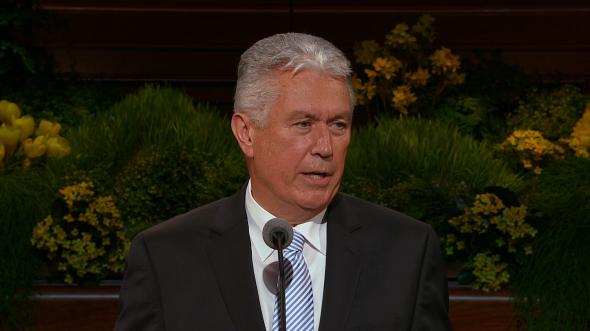
"Endings here in mortality are not endings at all. They are merely interruptions—temporary pauses that one day will seem small compared to the eternal joy awaiting the faithful...In His plan there are no true endings, only everlasting beginnings." - Dieter F Uchtdorf, GC, April 2014

3. What can you do to be numbered among those who have labored in the Lord's vineyard?
4. Does the Lord ever forget his covenant people? Have you ever felt like you have been forgotten? How does this verse help you know that the Lord will never forget you? How does the Lord stretch out His hand toward you all the day long? What do you have to do to take hold of His hand?
"You are not forgotten..., wherever you are, whatever your circumstances may be, you are not forgotten. No matter how dark your days may seem, no matter how insignificant you may feel, no matter how overshadowed you think you may be, your Heavenly Father has not forgotten you. In fact, He loves you with an infinite love." - Dieter F Uchtdorf, GC, October 2011

5.What does it mean to cleave to something? How can you cleave unto God? Why is it important to change now and not put off your repentance? How can you keep your heart soft and open to the Lord? What did you learn in the allegory of the olive trees that illustrates how God cleaves or holds onto you? What can you do to cleave more firmly unto Him as He cleaves unto you?
6. How does the hardening of the heart lead to death?
7. How can you be nourished by the good word of God all the day long? What kind of fruit will you bring forth if you are truly nourished by God's word?
8. Identify some of the things listed in this verse that are indicative of great wickedness. Have you or do you know of someone who has ever rejected the words of the prophets? What causes a persons heart to be hardened toward the servants of God? How do they feel once they allow their hearts to soften, repent and return to God's ways? 
9. What is the end result of wickedness and pride?
10. Where must the wicked go to suffer for their unrighteous choices? Why is it necessary that they suffer?
11.What does the word 'strait' mean? What is the strait gate? How can you enter in the gate? What do you need to do every day to continue in the narrow way? What is the ultimate result you will receive when you persevere in doing this?
12 What does it mean to you to be wise? What do you think Jacob is trying to convey in this verse?
13. Why do the wicked dread the judgement bar? How do the righteous feel about it? Why is there such a difference between the two?
5-13. What verse do you think best summarizes what the allegory of the olive tree means to you? Why did you choose these verses?

Sunday, April 13, 2014

Jacob 5

(Below is a list of questions and quotes that help me think about each verse as I read it. The numbers represent the verses in the chapter.)

The Lord loves us and is always working to bring salvation to His covenant people, even when they turn away from Him.


What is an allegory? What two trees are used as symbols in this allegory? Why do you need to be connected to Jesus Christ to have a spiritual life?
"This allegory as recounted by Jacob is from the outset intended to be about Christ [the Master of the vineyard]... Even as the Lord of the vineyard and his workers strive to bolster, prune, purify, and otherwise make productive their trees what amounts to a one-chapter historical sketch of the scattering and gathering of Israel, the deeper meaning of the Atonement undergirds and overarches their labors." - Jeffrey R Holland, Christ and the New Covenant: The Messianic Message of the Book of Mormon [1997], 165

"The Lord's servants took some of the branches and grafted them in to all the wild olive trees. Who were the wild olive trees? The Gentiles. And so the Lord sent his servants to all parts of his vineyard, which is the world, and planted these branches of the tree... Now in that parable the olive tree is the House of Israel... In its native land it began to die. So the Lord took branches like the Nephites, like the lost tribes, and like others that the Lord led off that we do not know anything about, to other parts of the earth. He planted them all over his vineyard, which is the world. No doubt he sent some of these branches into Japan, into Korea, into China. No question about it, because he sent them to all parts of the world." - Joseph Fielding Smith Jr., Answers to Gospel questions [1957-66], 4:204-5
"In general, the Lord sends to earth in the lineage of Jacob [Israel} those spirits who in pre-existence developed an especial talent for spirituality and for recognizing truth. Those born in this lineage, having the blood of Israel in their veins and finding it easy to accept the gospel, are said to have believing blood." - Bruce R McConkie, Mormon Doctrine, 81

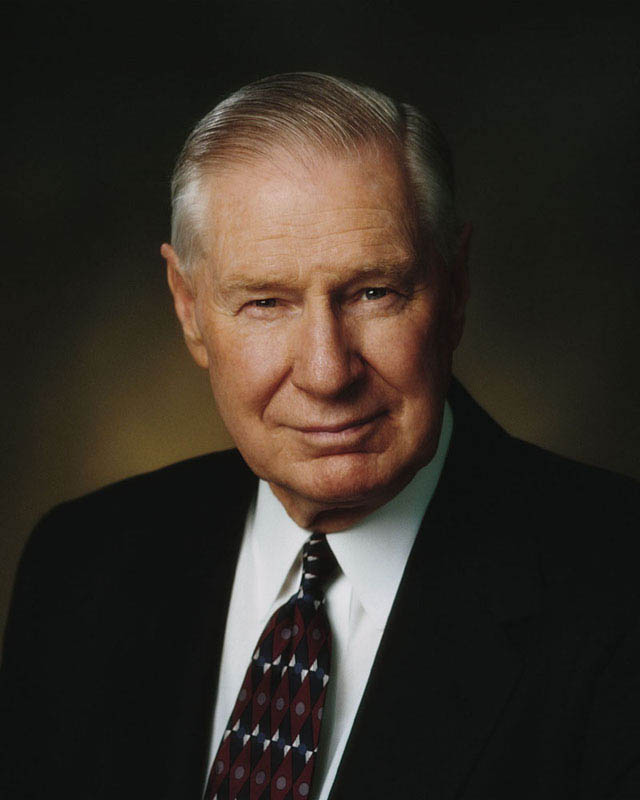
"The scattering of Israel throughout the world sprinkled the blood that believes, so that many nations may now partake of the gospel plan." - James E Faust, GC, October 1982

1-12. Do you know a friend or loved one who has questioned God's love for him or her, particularly during a time of trial when the person may have turned away from God?
3. What does the decay in the tree represent? What occurs when individuals or groups of people turn away from the Lord and His gospel?
3-14. The First Visit:  What does the master of the vineyard see happening to his tame olive tree? What does the master do about the decay? What does the grafting in of the branches of the wild olive tree represent? What does the planting of the tame branches in the nethermost parts of the vineyard represent?
4-6. What do the actions of the Master of the vineyard of pruning, digging and nourishing represent?
7. What emotions do you think the Lord was expressing here and why?
7-11. Using the meaning of the symbols below, ponder what the Lord of the vineyard and His servant do to try and save Heavenly Father's children.
15-28 The Second Visit: What the master of the vineyard visits the second time, what does he discover about the wild branches that were grafted into the tame olive tree? What has happened to the natural branches that had been planted in the nethermost parts of the vineyard? What branch of the house of Israel do you know that was taken to a choice land and at the time of Christ were partly righteous and partly wicked?
29-60. The Third Visit: What did the master of the vineyard discover about the tame olive tree during this third visit? What about the roots? What has happened to the branches planted throughout the vineyard? how does the master of the vineyard respond when he finds all the fruit corrupt? What does the master decide to do to try to save his vineyard?
61-77. The Fourth Visit: As the master makes a final effort to save his vineyard, whom does he enlist for help? Who are these 'other servants'? What are they striving to 'prepare the way' for in verse 61? What eventually happens to the bad branches? What happens to the good fruit? What does the master of the vineyard say about the servants who labored with him this last time?
1-77. How many times does this chapter record the Lord's efforts to nourish the trees of His vineyard? What does this teach you about His desire to help and assist, teach and bless you? How many phrases do you find in this chapter that indicate the Lord's love, concern, or sorrow for His vineyard? What have you learned from this chapter about the Lord's love for you? How have you seen His love manifested in your life or in the life of someone you know?

Symbols in this Allegory

Jacob 5: The Allegory of the Tame and Wild Olive Trees
Symbol
Meaning
Tame olive tree (v. 3)
The house of Israel, God’s covenant people
The vineyard (v.3)
The world
Decay (v. 3)
Sin and apostasy
Master of the vineyard (v. 4)
Jesus Christ
Pruning, digging, and nourishing (v. 4)
The Lord’s efforts to help us be righteous and produce good works.
Branches (v. 6)
Groups of people
Wild olive tree (v. 7)
Gentiles- those who have not made covenants with the Lord. Later in the allegory, natural olive trees, representing portions of the house of Israel in apostasy, are also described as ‘wild’.
Plucking and grafting branches (v. 7-8)
The scattering and gathering of the Lord’s covenant people. In addition, the grafting of wild olive branches into the tame olive tree represents the conversion of Gentiles who become part of the Lord’s covenant people through baptism.
Burning branches (v. 7)
God’s judgments upon the wicked
Fruit (v. 8)
The lives or works of people
Roots of the tame olive tree (v. 11)
The covenants the Lord makes with those who follow Him. Roots may also represent individuals with whom the Lord covenanted anciently, such as Abraham, Isaac, and Jacob.

Images of this Allegory


The Allegory of the Olive Tree


Thursday, April 10, 2014

Jacob 4


(Below is a list of questions and quotes that help me think about each verse as I read it. The numbers represent the verses in the chapter.)

Through the Atonement of Jesus Christ, we can be filled with hope and reconcile ourselves with God.

1-2. Why do you keep a journal? What do you write about?
"We hope you will begin [keeping a journal] as of this date. If you have not already commenced this important duty in your lives, get a good notebook, a good book that will last through time and into eternity for the angels to look upon. Begin today and write in it your goings and your comings, your deeper thoughts, your achievements, and your failures, your associations and your triumphs, your impressions and your testimonies. We hope you will do this, our brothers and sisters, for this is what the Lord has commanded, and those who keep a personal journal are more likely to keep the Lord in remembrance in their daily lives." - Spencer W Kimball, ensign, December 1980

3. How did Jacob and those who kept records on the plates of gold feel about their record keeping efforts? How do they hope these things will be received? How do you feel about your efforts to keep a journal? How do you hope your life's story will be received?
3-4. What do these verses tell us Jacob wanted his children to know about him? What would you like your posterity to know about you?
5. Why did the Nephites keep the law of Moses? What law do we live in our day that replaced the law of Mosees?
6. What else does Jacob say his people did so that their faith became unshaken? How would searching the words of the prophets help your faith grow stronger? What did Jacob say he was able to do with his unshakeable faith? If you truly worshipped God in the name of Christ, kept his commandments, and did all the other things Jacob mentions here, what do you think you could do with your unshakeable faith?
7. How does this verse help you feel grateful for your weaknesses? What does the Lord bless you with so that you have power to act with you unshakeable faith?
8. How does Jacob advise us to feel about the revelations of God? How do you personally feel about the scriptures? About the words of the prophets in general conference and other meetings? 
9.  How does Jacob describe the power of God? How does this make you feel?
10. What does it men to counsel the Lord?
"In my view, seeking to counsel the Lord generally means disregarding the Lord's counsel, either knowingly or unknowingly, and in place thereof substituting our own counsel or the persuasion of men." Marion G Romney, Ensign, August 1985
13. How does the Spirit speak? Why can you always trust in the things that come from the Spirit?
14. What does stiffnecked mean? How did the Jews despise the words of plainness? Do you know people in your day that also despise words of plainness?  How do these things cause them to stumble and lose their way from the gospel path? 
14. What do you think it means to look beyond the mark? How well do you think people would do in archery if they never looked at the target, or mark, while they were shooting or if they looked beyond the mark? What characteristics would the people who 'looked beyond the mark' have? What attitudes and actions in this verse blinded the Jews and prevented them from accepting Jesus Christ? What might be some examples of looking beyond the mark, or failing to focus on the Savior, today?
"The mark is Christ." - Neal A Maxwell, GC, April 1976
"The Jews were looking for something other than Jesus Christ to save them. Jacob prophesied that teh Jews would reject he Messiah, the stone upon which they might build and have safe foundation. He then referred to scriptures that say He would still become their only sure foundation. If we do not build on Jesus Christ, we will not receive the promised eternal joy with Him." -Book of Mormon Student Study Guide [2000]

15-16. What is the stone that you can build upon to have a safe and sure foundation? What blessings come to those who build upon Christ as a sure foundation (See Helaman 5:12)? What did the Jews do instead of building upon a sure foundation? What can you do to build upon the Savior and escape the fate of the Jews?

Wednesday, April 9, 2014

Jacob 3

(Below is a list of questions and quotes that help me think about each verse as I read it. The numbers represent the verses in the chapter.)

God will console the pure in heart in their afflictions.

1-2. What does it mean to be pure in heart? What would cause your hands to be unclean to the Lord? What would cause your heart to be impure to the Lord? Which comes first, bad thoughts or bad actions? What blessings does the lord promise to those with clean hands and pure hearts (see Psalms 24:3-4)?
"To become pure in heart - to achieve exaltation - we must alter our attitudes and priorities to a condition of spirituality, we must control our thoughts, we must reform our motives, and we must perfect our desires." - Dallin H Oaks, Pure in Heart, 140

1. Have you ever suffered because of the pride or sins of others? What does Jacob exhort the pure in heart to do? What does God promise the pure in heart? How can you look unto God with a firmness of mind? What do you think it means to pray unto God with exceeding faith during a time of trial?
2. How do you know that you are pure in heart? How do you feast upon God's love? How can studying the scriptures be a way to feast upon God's love?
1-2. How has God consoled you in you afflictions as you have tried to follow Him? How has praying with exceeding faith helped you during a time of trial? When has receiving God's word helped you to feel His love?
3-4. What awaits those who are not pure in heart? What can one do to change the condition of their heart?
5. Who did the Nephites think the filthy people were? Who did Jacob say was the most filthy? What commandment did the Lamanites keep better than the Nephites? How did the prejudice of the Nephites against the Lamanites hinder their ability to see their own guilt before God? 
6. How does this verse teach the principle that even those who do not profess His name, will be blessed by God for their righteous acts?
7-8. What was the condition of the family at this time among the Lamanites? What was the condition of the family at this time among the Nephites? Why is it so important to ensure the strength and unity of your family relationships?
9. Why do you think Jacob so clearly teaches the Nephite people to withhold judgement and hatred from the Lamanites? How might this type of attitude by portrayed today? What can you do personally, to ensure that you do not discredit the good in one or more people based on what you are told  by others about them?
9. Shy do you think a prophet would clearly identify the sins of the people? How can pointing out a person's sins help him or her to change?
"The more I see of life, the more I am convinced that we must impress you young people with the awfulness of sin rather than to content ourselves with merely teaching the way of repentance." - Harold B Lee, Youth and the Church, 87-88
"The heaviest burden that one has to bear in this life is the burden of sin." - Harold B Lee, Ensign, July 1973

10. What effect does the bad example of a parent have upon their children? What impact has the love of your family had upon your life? What blessings do you consider yours that have come to you through your family?
"The best thing a father can do for his children is to love their mother." - William G Dyer and Philip R Kunz, Effective Mormon Families, 104
11. What does it mean to arouse your faculties? How is indulging in sin and evil like going into a drug induced sleep? How does one come out of the effects of sin and wickedness? What outcome awaits those who choose not to repent and turn unto God?
12. What are fornication and lasciviousness? Why is it so important to know the awful consequences of moral transgressions? Why do sins of this ilk cause a decrease of love and trust within families?


Tuesday, April 8, 2014

Jacob 2

(Below is a list of questions and quotes that help me think about each verse as I read it. The numbers represent the verses in the chapter.)

Even the sternest of prophets teach from the depths of a sensitive soul. We should seek the kingdom of God above all other interests. The Lord delights in chastity.

1-12. How did Jacob feel about his difficult task of calling his people to repentance? Why is it difficult to tell people what they need to hear?
1. How does The Lord continue to deliver his word to His people after the death of a prophet?
2. How keenly does the prophet feel his responsibility from The Lord to teach and preach to the people? How keenly do you feel your responsibility to listen to and hearken to the words of the prophets?
3. How do you know that the Lords servants fulfill their responsibilities with diligence? When have you felt a priesthood leaders love and concern for you? When have you felt that a priesthood leader's words or actions were inspired by God to help you?
4. How do you feel about listening to and obeying the word of The Lord?
5. Where does all sin begin? Why does the content of your thoughts affect your standing with God? Why is thinking about sin abominable to God? 
6. How do your thoughts reflect the condition of your heart?
7. Why do wicked and unchaste thoughts hurt your family members if you indulge in them?
8. How does the pleasing word of God heal you when your soul is wounded? How do you feel about attending conferences and you weekly Sunday meetings?
9. What does Jacob say that helps you recognize his empathy for his people?
10. Why is God so strict regarding the contents of our thoughts and the desires of our hearts? What does it mean to you to be pure in heart?
12-13. What were the Nephites seeking? Where do you receive your blessings from? How can remembering the true source of your blessings and abilities, bless your life?
12. What is the danger you are subject to when you begin to seek after the riches of the world?
13. Who blesses you with the wealth of this world? What serious problem can come to those who misunderstand the purposes of wealth? What happens to those who refuse to share their wealth (See D&C 56:16)? What does it mean to be lifted up in the pride of your heart? What causes this condition? Why does the possession of wealth foster pride in the hearts of men? On Gods scale, is one man more important than another? How should you act toward your fellow man? Has there ever been a time in your life when you have acted in a prideful manner? What can help you overcome pride (see v. 17-21)?
"If you work for wealth, you can get it; but before you make it an end in itself, take a look at those men who have sacrificed all to the accomplishment of this purpose, at those who have desired wealth for the sake of wealth itself. Gold does not corrupt man; it is in the motive of acquiring that god that corruption occurs." - David O McKay, home memories of President David O McKay, 242

14. How does the Lord feel about pride in the hearts of his children? What lies in store for those who refuse to humble themselves?
15. Do you fully comprehend the power of your God?
16. How does allowing pride to enter into your heart destroy your soul?
17. What attitude and feelings should you develop regarding the things of the world? Why?
18. What are you counseled to seek before you seek for riches? What are you asked to do when the Lord blesses you with wealth? 
19. What does it mean to obtain a hope in Christ? What do you think it means to seek after the kingdom of God? How can wealth help you seek after the kingdom of God? What is the purpose of wealth? How is it to be used? How would seeking the kingdom of God and obtaining a hope in Christ influence how you view and treat others?
20. Have you ever been guilty of acting prideful toward others? What do you have to say for yourself? Have you humbled yourself before God and begged his forgiveness as well as the forgiveness of those you looked down on?
"Most of us think of pride as self-centeredness, conceit, boastfulness, arrogance, or haughtiness. All of these are elements of the sin, but the heart, or the core, is still missing. The central feature of pride is enmity - enmity toward God and enmity toward our fellow-men. Enmity means 'hatred toward, hostility to, or a state of opposition.' It is the power by which Satan wishes to reign over us. Pride is essentially competitive in nature. We pit our will against God's. When we direct our pride toward God, it is in the spirit of 'my will and not thine be done.' As Paul said, they 'seek their own, not the things which are Jesus Christ's.'" - Ezra Taft Benson, GC, April 1989

21. How does The Lord feel about you? How perfectly and exactly do you strive to keep the commandments? How often do you glorify and praise your Father in Heaven?
22-23. What does the word whoredoms mean? How serious is sexual immorality? 
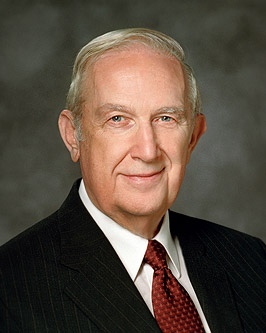
"Any sexual intimacy outside of the bonds of marriage - I mean any intentional contact with the sacred, private parts of another's body, with or without clothing - is a sin and is forbidden by God. It is also a transgression to intentionally stimulate these emotions within your own body." - Richard G Scott, GC, October 1994
23-24. How did the Nephites seek to excuse their sins in these verses? How do people seek to excuse sexual immorality today?
23. What is the danger of misinterpreting the scriptures? What comfort do you find in knowing that the word of The Lord is constant and unchanging? What does the word abominable mean? How does this word help you understand how the Lord feels about pride? What is the curse for pride? How can you be more humble?
24. What is the Lords law of morality? 
25. Why did The Lord lead out from Jerusalem a portion of His people? How did this allow them to be taught of The Lord and become a pure and righteous people before him?
27. How does The Lord view the practice of taking more than one wife? 
28. How does The Lord feel about the chastity of women?
31-35. What are the negative consequences of sexual sin as indicated in these verses? How does sexual immorality affect families? How might immorality affect a teenager and his or her family? Why do you think the Lord considers immorality to be such a serious sin? How will living according to the Lord's law of chastity bless you and your posterity?  What joy have you experienced as a result of being obedient to the Lord's commandment of chastity?
"The plaguing sin of this generation is sexual immorality. This, the Prophet Joseph said, would be the source of more temptations, more buffetings, and more difficulties for the elders of Israel than any other." - The Teachings of Ezra Taft Benson, 277
"The Lord has made us attractive one to each other for a great purpose. But this very attraction becomes a powder keg unless it is kept under control. It is beautiful when handled in the right way. It is deadly if it gets out of hand. Those who indulge in sexual activity outside the bonds of marriage do irreparable damage to themselves and rob the one with whom they are involved of that which can never be restored... I plead with you to be careful, to stand safely back from the cliff of sin over which it is so easy to fall. Keep yourselves clean from the dark and disappointing evil of sexual transgression. Walk in the sunlight of that peace which comes from virtue." - Gordon B Hinckley, Way to Be, 58-60
31, 35. What suffering had the Nephites sins caused already? How does The Lord feel about the feelings of His daughters? Why do unchaste behaviors cause them to mourn? Why can unchaste thoughts in one cause their spouse to mourn?
32. What will The Lord hold the men of His people accountable for if the indulge in wickedness and immorality?