Tuesday, April 22, 2014

Mosiah 1

(Below is a list of questions and quotes that help me think about each verse as I read it. The numbers represent the verses in the chapter.)

Searching the Scriptures helps us to know and keep the Commandments.

1-8. What blessings would the Nephites have lost if they had not had the scriptures? What blessings would you be missing in your life if you did not have the scriptures?
1. How did King Benjamin get rid of contention in his kingdom? What can you do to eradicate contention from your life?
2. What is one thing you have learned from your mother or father? What is one additional thing you would love to have your mother or father teach you? What does the Lord expect parents to teach their children? (See Doctrine and Covenants 68:25-28) Why do you think the Lord expects that of parents? Why would it be important to hear the testimony of your parents?
2-3. Why had King Benjamin educated his sons? How does your education help you understand the prophecies recorded in the Scriptures? What are the mysteries of God? How does divine revelation reveal the mysteries of God to you? What do these verses teach you about King Benjamin as a father?
"Husband and wife have a solemn responsibility to love and care for each other and for their children… Parents have a sacred duty to rear their children in love and righteousness, to provide for their physical and spiritual needs, to teach them to love and serve one another, and to observe the Commandments of God." – The Family: A Proclamation to the World 

4. How did the scriptures help Lehi and his posterity? How do the scriptures bless your life? How do you hope the scriptures will bless the lives of your posterity?
5-7. If profit can be thought of as income minus expenses, what does it mean to profit from the scriptures? What expenses are therefore scripture study? What are some benefits of scripture study? How have you profited from scripture study? What do you think would happen to your family if you neglected to study the scriptures that you have?
"One would not forgo partaking of the sacrament because he is trying to lose weight, get some neglect the Scriptures because they are too busy minding the pressing cares of the world." – Neal A Maxwell,Things  as They Really Are, 97
"No father, no son, no mother, no daughter should get so busy that he or she does not have time to study the Scriptures and the words of modern prophets." – Spencer W Kimball, GC, April 1976

5. What does it mean to have the commandments of The Lord always before your eyes? What can you do to always have His commandments before your eyes?
6. What did King Benjamin tell his sons? In what way does the testimony of your parents influence or encourage your desire to study and trust in the words of the scriptures?
7. How does King Benjamin counsel his sons to study the scriptures? In what way can your study of the scriptures become more meaningful to you? How are you blessed for studying the scriptures?
8. What sorts of things do you think King Benjamin taught his sons? What sorts of other things have your parents taught you? What would you hope to teach your own children?
9. What did King Benjamin do to ensure that the was ready to leave this life? How does living a righteous life help one feel more prepared to meet the Lord than living a carnal life?
10. Why did asking ?Benjamin feel Mosiah would make a good King?
11. What made the people worthy of receiving a special name to be known by? Why did King Benjamin wish to give his people a name to be know by?  What does it mean to take upon you the name of Jesus Christ?
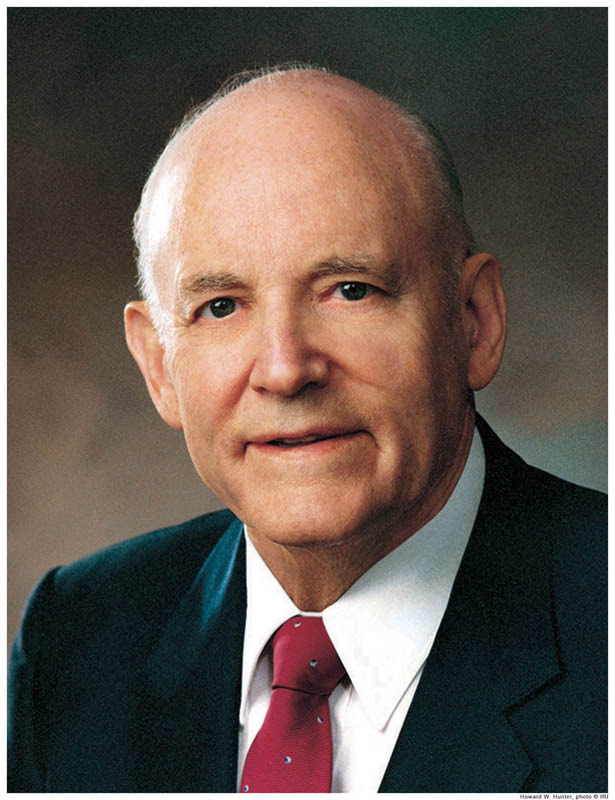
"Please remember this one thing. If our lives and our faith are centered upon Jesus Christ and his restored gospel, nothing can ever go permanently wrong. On the other hand, if our lives are not centered on the Savior and his teachings, no other success can ever be permanently right." – Howard W Hunter, Fear Not, Little Flock, 1988-89 Devotional and Fireside Speeches, 112
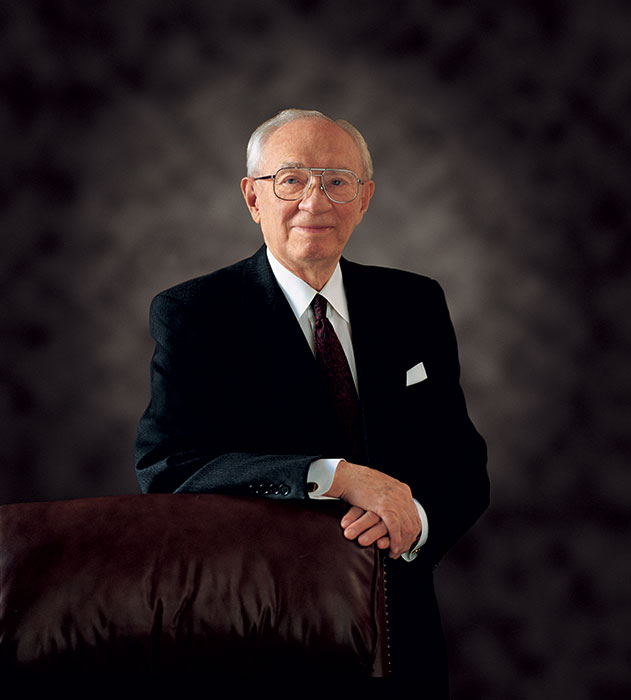
"As his followers, we cannot do a mean or shoddy or ungracious thing without tarnishing his image. Nor can we do a good and gracious and generous act without burnishing more brightly the symbol of him whose name we have taken it upon ourselves." – Gordon B Hinckley, Be Thou an Example, 90
12. What is the only thing that can blot out the name of honor that was bestowed by King Benjamin on his people?
13. Us does sin weaken people and take away their steength? Is all your strength your own? How do you know that a portion of your strength comes directly from your Heavenly Father?
14. How had the Neohites thus far been preserved from the Lamanites? How does The Lord preserve you from your enemies?
17. What are the consequences of unfaithfulness? Do you think these same consequences exist today for the unfaithful? Why or why not? What can you do to help those who have left the church to come back?

Monday, April 21, 2014

Words of Mormon 1

(Below is a list of questions and quotes that help me think about each verse as I read it. The numbers represent the verses in the chapter.)
.
The Lord knows ALL things. Understanding and believing in this truth helps you to develop faith and to obey the promptings from the Holy Ghost that you receive. The Lord calls prophets who can lead people to peace despite challenges. We can find peace by following the inspired leadership of the prophets. In the strength of the Lord, we can overcome challenges.

1. What had Mormon witnessed? What do you think he might have been feeling at this time?
2. Why does Mormon desire that his son Moroni will survive the destruction of the Nephites? How does this desire convey the love that Mormon has for the Lamanite people? How important do you think it is to love your enemies? What can you do to love those who despitefully use you or persecute you in any way?
3. How does this insert by Mormon, who abridged the Nephite records, help you understand better the contents of the gold plates which Joseph Smith translated? How did Mormon's inspiration to include the small plates of Nephi prove to be wisdom and a blessing for you?
4. Why did Mormon include the small plates of Nephi? What pleased him about this record? How have the prophecies of Christ included in the Book of Mormon blessed your life?
5. Where does the remainder of the record Mormon abridged come from?
6. Why are the records of the prophesyings and revelations of the prophets considered to be very choice to Mormon? How highly do you esteem these records for yourself?
7. Did Mormon feel inspired in the records he included in his abridgement? When have you felt the direction of the Lord in your life? Do you always know the purpose for which you are inspired to act? How does trusting in the knowledge of God and knowing of His love for you help you to act upon the promptings you receive?
7. Think of a time when you felt prompted by the Spirit to do something. Did you know how everything would turn out if you followed this prompting? What gave you the determination and confidence to act on the prompting? How can you better prepare to recognize and respond to the Lord's promptings?
8. Were Mormon's prayers centered on himself or others? Why did Mormon pray for his enemies the Lamanites? What was Mormon's hope for them? What can this teach you about your own prayers?
8. How highly do you value the spiritual welfare of those who wander without the blessings of the gospel? In what way did Mormon's life's work of abridging Nephite records convey his deep concern for and desire to restore the blessings of the Lord to the Lamanite people?
9. How does the Lord bless the work you do for and behalf of others? How does the influence of the Holy Ghost increase the effect of your mortal efforts? What do you do to be worthy of these blessings?
10. How important was record keeping to the Nephite people? What records do you keep that might be of worth to your posterity?
11-13. What does Mormon tell us about King Benjamin? What kind of a king was King Benjamin?
14. How did the Lord help and assist King Benjamin and his people? Why is it wise to include the Lord in ALL the things that you do? When was the last time you specifically included the Lord in one of your challenges?
15. With the Lord on his side, how did King Benjamin deal with false Christs? How can the Lord strengthen you when you meet those who profess to believe that there is no God?
16. 18. What did King Benjamin do to establish peace over the land?
17. What description does Mormon give of King Benjamin's character? Which character traits does King Benjamin have that you would also like to have said about you? How can you cultivate and develop these characteristics in your own life? What role should the Lord play as you work to improve yourself? How often do you turn to the Lord as you seek to improve yourself?

Saturday, April 19, 2014

Omni 1

(Below is a list of questions and quotes that help me think about each verse as I read it. The numbers represent the verses in the chapter.)

If we come unto Christ and endure to the end, we will be saved.

1-11. How often do you write in your journal? What were the descendants of Jacob commanded to write on the plates of gold (see Jacob 1:1-4)? Following Jacobs description, what could you do to be sure that your own personal record contains that which is MOST precious?
1. How did Omni honour his father in this verse? How do you honour your father?
2. How did Omni judge himself? Have you ever felt like you do not keep the commandments as strictly as you should? How can this feeling or prompting be a blessing to you?
3. What did the Nephite people see much of? How did the times of war help them appreciate the times of peace? Do you appreciate your blessings more after experiencing hardships or trials?
4. How did Amaron honour his father? When you choose to honour a parent, in what way do you glorify your Father in Heaven?
5. What happened to the wicked Nephites? How does this evidence the Lords promise that the people would prosper in righteousness, but be destroyed in wickedness?
6. How do you know that you can ALWAYS trust in the Lord's promises?
7. How were the righteous blessed when the judgements of the Lord came upon the Nephite people? What will it be like for the righteous at the time of the Lord's second coming?
8. How did the continual passing of the plates indicate the great trust and respect that these men felt for the Lord?
9. What did Chemish feel to tell us? Why was it so important generation after generation to make sure that a record had been kept?
10. What has Abinadom spent much of his life doing? Why is it so important to be ever watchful against the threat of the enemy? What enemy do you have to battle daily in defence of your spirit?
11. Do people need to hear new revelations to keep obeying the Lord? How does knowing that all the Lord has taught, regardless of the dispensation, will be fulfilled and that His words are words to live by even in our day? Ponder on what our prophets teach us. Are they teaching anything new or are they just reinforcing that which the Lord has continually taught from the beginning of the world? Why is it important to you to have a prophet that continually reminds you of the Lords promises and commandments?
12. Why was Mosiah I commanded to take his people and flee from the land of Nephi? Where were they to go?
13. Who led the people in their flight from the land of Nephi? Where did the Lord lead the people of Nephi? Why was it so important for the Mosiah and his people to trust that the Lord had a purpose in the command He gave? When the prophet speaks, do you trust that by heeding his counsel, you will be blessed in ways that only the Lord can know?
14. What did the Nephites discover as they allowed the Lord to guide them? How did this discovery make them feel? How did the people in Zarahemla feel when Mosiah and his people joined them? How was the coming of the Nephites an answer to prayer for those who lived in Zarahemla? How important are the scriptures to you? What can you do to show the Lord that you value His word?
14. How did the lack of scriptures affect the people of Zarahemla? How might knowing this help you feel more grateful for the scriptures and be more diligent in studying them?
15-16. What was the history of the people of Zarahemla?
17. What did the people of Zarahemla experience that was similar to what the people of Nephi experienced? Why is it so necessary to have trials and challenges? How do you feel about your trials and challenges? How was the absence of scripture one of the greatest challenges that the people of Zarahemla faces?
18. What did Mosiah do to overcome the communication barrier? What did he do to correct the traditions of the people of Zarahemla that had strayed from what the Lord had taught? How did Mosiah's willingness to follow the Lord (v. 13) become a great blessing to the people of Zarahemla? How has the obedience of others affected your life?
19. How was the love Mosiah gave the people of Zarahemla received? Why is love so important to offer when establishing a relationship? When you meet someone new are you most inclined to love them or judge them? What happens when you extend love? What happens when you pass judgement?
20-21. What record did Mosiah translate from the stone? By what power was Mosiah able to translate this record? Why was it of interest to the people? Why is it of interest to you?
22. At what period in history did the story of Coriantumr begin? How does this strengthen you testimony of the Book of Mormon?
23. Who was the king that succeeded King Mosiah I?
24. What challenges still face the Nephites under King Benjamin's reign?
25. Who did Amaleki choose to pass the gold plate on to in order to preserve the record of his people? What is Amaleki's testimony? Who is the source of ALL goodness? How does this help you choose between good and evil? 
25-26. What invitation does Amaleki offer three times in these verses? What three answers does he give to those who truly desire to come unto Christ? What promise is extended to those who follow this counsel?
26. Have you accepted the invitation he extends? How can you offer your whole soul to Christ? Why do you think Amaleki cares if you accept his invitation to come unto Christ or not? How can seeking to follow the Savior be a blessing and strength to you throughout your life?
"Only through sacrifice can we become worthy to live in the presence of God. Only through sacrifice can we enjoy eternal life. Many who have lived before us have sacrificed all they had. We must be willing to do the same if we would earn the rich reward they enjoy."  - Gospel Principles, 175
"Knowing by the power of the Holy Ghost that Jesus is the Christ is important and necessary. But earnestly coming unto Him and giving our whole souls as an offering requires much more than merely knowing. Conversion requires all of our heart, all of our might, and all of our mind and strength ...the key characteristics associated with conversion are experiencing a mighty change in our hearts, having a disposition to do good continually, going forward in the path of duty, walking circumspectly before God, keeping the commandments, and serving with unwearied diligence." - David A Bednar,GC, October 2012

27-30. Can you find Amaleki's brother in the Book of Mormon? (See Mosiah 9-22) Who was the leader of this group? What did they do when they got to the land of Lehi-Nephi?
27. What other group does Amaleki tell us about in his record?
28. What happened to the group of people who sought to obtain the land of Nephi once again?
29. What did this group do after returning to Zarahemla?
30. Why do you think this group of people caused such anxiety within Amaleki? Why do you think that he mentioned them in his record? How does what he recorded help us understand the events that followed?

Thursday, April 17, 2014

Jarom 1

(Below is a list of questions and quotes that help me think about each verse as I read it. The numbers represent the verses in the chapter.)

As we obey the commandments of God, we will prosper.

1-15. Have you ever wondered if or how the Lord would fulfill His promise to bless you for keeping His commandments? When has the Lord blessed or prospered you for keeping His commandments? What are you able to testify about the Lord and His promises?
"I learned that God's promises are not always fulfilled as quickly as or in the way we might hope; they come according to His timing and in His ways. Years later I could see clear evidence of the temporal blessings that come to those who obey the Word of Wisdom—in addition to the spiritual blessings that come immediately from obedience to any of God’s laws. Looking back, I know for sure that the promises of the Lord, if perhaps not always swift, are always certain." - Dieter F Uchtdorf, GC, April 2010

1. How did Jarom feel about doing genealogy?
2. How important does Jarom esteem the doctrine of the Plan of Salvation to be? How does the plan of salvation encompass ALL the doctrines of the gospel? Is there more you can do to understand and appreciate the plan of Salvation?
"Truly, of all the errors mortals could make, God’s plan of salvation is the wrong thing to be wrong about! No error could be more enormous or more everlasting in its consequences!" - Neal A Maxwell, GC, April 1984

3. How well do those who are hardened, deaf, blind and stiffnecked receive the word of God? How do each of these things represent spiritual sickness? Do any of those conditions ever prevent you from learning and understanding by the Spirit about the doctrines of Christ? How can you overcome such conditions of the heart?
4. How does overcoming spiritual sickness help you receive revelation and inspiration in your life? What blessing do you receive if you have faith and communion with the Spirit? Ponder upon the revelation you have received in your life. What can you do to hear the voice of the Lord? How can you see and recognize the Lord's mercy in your life?
5-10. Why did the Nephites prosper? How might each reason in these verses help you and your family to prosper and be successful?
5. What commandments did Jarom specifically mention? Of these commandments, how many of them do you see being broken on a regular basis in our society? How does your keeping of the commandments convey your love for your Father in Heaven to others?
6. How did the lifestyle of the Lamanites differ from that of the Nephites? Do you ever feel like trying to live righteously is vastly different from those who choose to live wickedly? When there is such a difference between the two, how is it that people can turn from righteousness to wickedness so quickly? Is there anything in your heart or in your actions that might indicate a shift away from righteousness? If so what can you do to make sure that you are firmly standing for righteousness and truth in ALL things/
7. To what does Jarom attribute the Nephites ability to conquer their enemies in war? Do you find it interesting that he does not mention skill with a sword or anything like it to be the reason for their victory? What do you have that helps you conquer your enemies, your spiritual challenges?
8. What things were the Nephites blessed with for their righteousness? How did these things help them prepare to meet their enemies when wars broke out? How can your worldly possessions help you to face your enemies and be spiritually prepared to meet them?
9. How did the Nephites realize the promise of the Lord to Lehi, when he was told that if they would keep the commandments they would prosper? Is this promise in force today? How has the Lord prospered you for choosing to live righteously?
10-12. What would have been the result of not following the prophets? What was the result for obedience (See Mosiah 2:41)?
"I know of no other writing which sets forth with such clarity the tragic consequences to societies that follow courses contrary to the commandments of God. Its pages trace the stories of two distinct civilizations that flourished on this Western Hemisphere. Each began as a small nation, its people walking in the fear of the Lord. But with prosperity came growing evils. The people succumbed to the wiles of ambitious and scheming leaders who oppressed them with burdensome taxes, who lulled them with hollow promises, who countenanced and even encouraged loose and lascivious living, who led them into terrible wars that resulted in the death of millions and the final and total extinction of two great civilizations in two different eras. No other written testament so clearly illustrates the fact that when men and nations walk in the fear of God and in obedience to his commandments, they prosper and grow, but when they disregard him and his word, there comes a decay that, unless arrested by righteousness, leads to impotence and death. " - Gordon B Hinckley, Ensign, June 1988, 5

10. What role did the prophets play in assisting the people to remain true to their God? How do the prophets assist you today as you seek to strengthen your faith and be obedient in all things? What specific counsel have the prophets given that has helped you to avoid the pitfalls and snares of the adversary?
11. Why do you think we need prophets and priesthood leaders today? What did the prophets teach the Nephite people regarding the law of Moses? How did this help prepare them for the eventual coming of the Savior to the world? How do you think that understanding the law of Moses and its symbolism of Christ, helped the people effect the Atonement in their own lives? How has the Atonement affected your life?
12. How were the prophets a protection to the people of Nephi? How are the prophets a protection to you today?
13. What things filled the Nephite history? How much of your time is spent disagreeing, criticizing or judging others? How is this tendency a reflection of what Jarom summarizes as wars and contentions and dissensions which filled much of their history?

Wednesday, April 16, 2014

Enos 1

(Below is a list of questions and quotes that help me think about each verse as I read it. The numbers represent the verses in the chapter.)

As we exercise faith in Jesus Christ, our sins can be forgiven and we can be made whole. As we experience the blessings of Jesus Christ's Atonement, we will seek to help others receive salvation.

1. How did Enos feel about his father? How do you feel about your father? Have you ever blessed the name of God for granting you the father you were given? What impact do the teachings of parents have in the conversion of their children?
"In the divine scheme every soul has been given a father whose responsibility is not only to sire and provide the necessities of life, but also to train for mortality and life eternal... The teachings of the children by the father is basic from the beginning. The Lord ordained it so. Though Enos hed strayed for a time, the teachings of his father prevailed, and he returned to worthiness." – Spencer W Kimball, GC, April 1965
"Twice blessed is the child who, what he or she is so young as perhaps to be unable to comprehend the words, can nevertheless feel the spirit of prayer as a loving mother or a kind father helps with a few words of prayer at bedtime. Fortunate, indeed, are the boys and girls, including those in their teens, in whose homes there is the practice of morning and evening family prayer." – Gordon B Hinckley, Ensign, June 1985

2-10. How was Enos's. prayer different from many prayers? How can you make your own prayers more effective by following Enos's example?
2. Notice that Enos did not wrestle with God but before God in prayer. Such wrestling involves a mental and spiritual struggle to show Heavenly Father the sincerity of your desires and your willingness to repent and make the necessary changes in your life. Have you ever wrestled before God? How can the repentance process feel like a wrestle? What are you wrestling?
"Some prayers are expressions of gratitude. Others are simple request like those asking for a blessing on the food. Still others are heartfelt cries for help. Of these kinds of prayers, Jesus commanded us to pray having a sincere heart with real intent, having faith in Christ. Patricia T Holland observes: 'We are women now, not children, and we are expected to pray with maturity. The words most often used to describe urgent, prayerful labor are wrestle, plead, cry, and hunger. In some sense, prayer may be the hardest work we will ever engage in, and perhaps it should be.' (Ensign, October 1987)" – VisitingTeaching  Message, Ensign, July 1990

3. How have the teachings of your parents affected you? What specific teachings have they taught that have had a great impact upon your heart?
4-13. Why would it be important to pray for your own needs? Is it easy or difficult for you to pray for others? Why? Is it easy or difficult for you to pray for your enemies? Why?
"You cannot lift another soul until you are standing on higher ground then she is… You cannot light a fire in another soul unless it is burning in your own soul." – Harold B Lee, Stand Ye in Holy Places, 187

4. The phrase 'my soul hungered' may involve feelings such as spiritual emptiness or pain or a desire to be filled spiritually. Has your soul ever hungered? How can prayer edify your hungry soul? How would you describe mighty prayer? How often do you offer up mighty prayer to your God and King? How can you show the Lord your sincerity as you pray and seek His spiritual blessings?
5-8. Does everyone have to have an experience like Enos did to be saved?
"We must be careful, as we seek to become more and more Godlike, that we do not become discouraged and lose hope. Becoming Christlike is a lifetime pursuit and very often involves growth and change that is slow, almost in perceptible. The scriptures record remarkable accounts of man whose lives changed dramatically, in an instant, as it were: Alma the Younger, Paul on the road to Damascus, Enos praying far into the night, King Lamoni. Such astonishing examples of the power to change even those steeped in sin give confidence that theAtonement  can reach even those deepest in despair. But we must be cautious as we discuss these remarkable examples. Though they are real and powerful, they are the exception more than the rule. For every Paul, for every Enos, and for every king Lamoni, there are hundreds and thousands of people who find the process of repentance much more subtle, much more imperceptible. Day by day they move closer to the Lord, little realizing they are building a godlike life." – Ezra Taft Benson, &, October 1989

5. How do you think Enos felt when he received the knowledge that his sins had been forgiven? How have you felt when you have repented and have received the Lords forgiveness? Is there anything you have yet need to repent of? When have you felt that the Lord forgave you of your sins? How did you know you were forgiven? Have you felt the Lord's forgiveness recently?
"Once we have truly repented, Christ will take away the burden of guilt for our sins. We can't know for ourselves that we have been forgiven and made clean. The Holy Ghost will verify this to us; He is the Sanctifier. No other testimony of forgiveness can be greater… The Lord declared, 'Behold, he who has repented of his sins, the same is forgiven, and I, the Lord, remember them no more.' (D&C 58:42) Satan will try to make us believe that our sins are not forgiven because we can remember them. Satan is a liar; he tries to blur our vision and lead us away from the path of repentance and forgiveness. God did not promise that we would not remember our sins. Remembering will help us avoid making the same mistakes again. But if we stay true and faithful, the memory of our sins will be softened over time. This will be part of the needed healing and sanctification process." - Dieter F Uchtdorf, GC, April 2007

6. Why was Enos' guilt swept away? How did his knowledge of God assist in this process?
7. What emotions does this one question convey? Have you ever felt to marvel at the wonder of the Lord's ways? When?
8. How had Enos' faith in the Savior, Jesus Christ, enabled him to repent and receive the Lords forgiveness? How strong is your faith? Is there anything you need to do to strengthen it further?
9. How does receiving forgiveness from God for your own sins, stir within you a desire for your family and friends to also feel and partake of this great blessing? What do you do in response to this feeling?
"Any time we experience the blessings of the atonement in our lives, we cannot help but have a concern for the welfare of our brother and… A great indicator of one's personal conversion is the desire to share the gospel with others." – Howard W Hunter, The Teachings of Howard W Hunter, [1997], 248-49

10. How did the Lord respond to Enos desire for the welfare of his brethren? How does this promise stand today and include you?
11. Who was Enos deeply concerned for? How did the Lord's answer and assurance affect his faith? How do the answers you receive to your prayers affect your faith?
12. How was Enos faith blessed? When have you placed absolute faith and trust in the Lord? What blessings came as a result?
13. What did Enos desire should his people fall into transgression and be destroyed? How was the preservation of a record a way to reach the Lamanite people of which he was so deeply concerned? What record do we have today that is specifically for the Lamanite descendants - that they may know of the doings of their fathers? What records do you have of your fathers? What records do you leave for your children? How can these records be a blessing to you and your posterity?
14. What prevented the Nephites from working with the Lamanite people at that time? Have you ever had a desire to work with someone who was presently past feeling? What did you do? How did the Lord bless and inspire you in this challenge?
15. How did Enos feel about the scriptures and the records of his people? How do you feel about the scriptures and the records of God's dealings with men?
16-17. Why was Enos able to rest his soul from the anxiety he felt for his Lamanite brethren? How do the Lord's promises to you help to rest your soul in times of worry and uncertainty? What part does faith have in prayer? What could you do to pray with greater face? What a blessing came to Enos through his faith? Why was Enos able to go from believing to knowing? How would an answer from God help you while facing your difficult challenges?
19. How did Enos experience in prayer, the answers to his prayers and his unshakeable faith, empower him in his teaching and testifying to his people? How have the answers to your prayers empowered you to stand for truth and righteousness and share your convictions with others?
20. What kind of people had the Lamanites become? Why didn't the Nephites just give up on them? Have you ever been tempted to give up on a loved one or other individual? How does the Lord bless you when you seek diligently to restore happiness and joy through the gospel of Love to the people who struggle?
21. What kind of people were the Nephites? How do you feel about working? What blessings have you received through your labors?
22. Why were there so many prophets among the Nephites? Were they beginning to struggle spiritually?
23. In what manner did the prophets teach the people? Why did they have to preach of the destructions that await the wicked so continually? How converted would you say the Nephite people were at this time? How converted to the gospel of Christ are you? What can you do to become more converted? How do you know that you are truly converted?
26. How had preaching and prophesying and declaring the word of God to the people caused Enos to rejoice in it above anything in the world? What joy do you receive from the gospel of Jesus Christ? What can you do to feel an even greater joy in His glorious gospel?
27. How did Enos feel about death?

Tuesday, April 15, 2014

Jacob 7

(Below is a list of questions and quotes that help me think about each verse as I read it. The numbers represent the verses in the chapter.)

As we rely on the Lord we can overcome challenges to our faith. We cannot be shaken in our faith if our testimonies are based on revelation and true spiritual experiences. As we respond to questions or criticisms of our faith in ways the invite the Spirit, we can help others turn to the Lord. Even though life sometimes seems difficult we, like Jacob, can find great strength in our relationship with the Lord.

1-5. What talents or abilities did Sherem possess? What was the source of Sherem's power? What were Jacob's strengths? What was the source of Jacob's power? What kind of people would have been most influenced  by Sherem? what kind of people would have rejected Sherem and followed Jacob? Why do you think so many people today follow those who tell them flattering falsehoods?
1-2. What kind of a man was Sherem? What were his doctrines? What is an anti-Christ?
"An anti-Christ is someone who vigorously or intensely opposes Christ and tries to destroy other people's faith in Him, His true Church, His gospel, or the plan of salvation." - Book of Mormon Study Guide for Home-study Seminary Students [2012], 95

3. What effect did Sherem have on the people? Why does one who is anti-Christ seek to destroy the faith of others? Have you ever known or seen someone persecute another for their belief in Christ? How would you respond to one to seeks to lead your heart away from Christ?
"One of mortality's great tests comes when our beliefs are questioned or criticized. In such moments, we may want to respond aggressively... But these are important opportunities to step back, pray, and follow the Savior's example. Remember that Jesus Himself was despised and rejected by the world... When we respond to our accusers as the Savior did, we not only become more Christlike, we invite others to feel His love and follow Him as well." -Robert D Hales, GC, October 2008

4. Why is it sometimes difficult to defend your faith against someone who is learned and has much power of speech? What is flattery? Why are people so quickly deceived by one who uses flattering words? How can you gain the spirit of discernment that you may discern these attitudes BEFORE they can take you from the Savior? How does daily scriptures study and prayer assist you in obtaining the power of discernment?
5. How would you respond to a person like Sherem? Why was Sherem unable to shake Jacob from teh truth? What kept Jacob from being flattered and deceived by Sherem? How does remembering past experiences that strengthened your faith help you rely on the Lord in times of persecution? How does a firm testimony in Jesus Christ help you stand firmly against the flattering designs of evil men?
5. How can you strengthen your testimony so that it will not be shaken when what you believe is questioned or criticized?
5. Notice that because of Jacob's previous spiritual experiences his faith became unshakable. What are some experiences that have strengthened your faith? How can remembering or recording these experiences help you when someone questions or criticizes your faith?
6-7. What did Sherem want the people to believe? How did Sherem misinterpret the doctrine of Christ? In what ways can you identify false doctrine? What was wrong with Sherem's contention that the 'doctrine of Christ' was against the law of Moses (See also Jacob 4:4-5)?
8. How do you stand firm in the face of false claims such as those of Sherem? How does relying on the guidance and strength from the Holy Ghost help you to rely on the Lord in times of persecution? What do you need to do to be able to have the Spirit poured into your soul? How has the Holy Ghost helped you as you have dealt with questions or criticisms about your faith?
9. How did Jacob's testimony of Christ differ from that of Sherem? How did Sherem try to sidestep the question? What did Sherem say in this verse that contradicts what he said in verse 7? What does that teach you about telling lies?
"When a false theory has to be maintained, it requires to be set forth with much care; it requires a study, and learning, and cunning sophistry to gild over a falsehood and give it the semblance of truth, and make it plausible and congenial to the feelings of the people; but the most simple and unlearned person can tell you the truth. A child can tell you the truth, in child-like language, while falsehood requires the lawyer and the priest to tell it to make it at all plausible; it requires a scholastic education to make falsehood pass for truth." – Brigham Young, Journal of Discourses, 11:214

10-11. Who do the scriptures testify of? How is it possible that Sherem could claim to believe the scriptures and yet deny Christ? Why is it so important to seek the spirit as you read and study the scriptures? How can this practice help you avoid the spiritual condition that Sherem is in? How can a daily habit of studying the scriptures and the words of latter-day prophets help you in circumstances when others question or criticize your faith? How can testifying of the scriptures and words of the prophets help you rely on the Lord in the face of persecution?
12. How strong is your testimony of Christ? Do you KNOW for yourself of the power of the Atonement? How can this sure knowledge protect you from anti-Christ or atheist beliefs? When have you shared your testimony with someone who has questioned or criticized your faith? What was the result?
13-14. Have you ever secretly wished that those who persecute you for your beliefs could be punished in some obvious way by God? Do you ever wish that you could choose the punishment? How did Jacob face this temptation? Why is it so important that we leave the outcome of the choices of others firmly in Gods hands?
13. Have you ever used the phrase 'Prove it!'? When you use that phrase, what are you usually asking for? What phrase did Sherem use that was his way of saying 'Prove it'? What happens that lets you know that the Lord was not pleased that Sherem demanded a sign? What dangers are there in seeking a sign that God lives? How many signs exist around you every day?
"Show me a sign, said Sherem, but a sign was not really what he wanted. Satan had convinced Sherem that it was not possible to know something that could not be seen. Jacob knew that even though we cannot see the Holy Ghost, his power is undeniable. Believers in Jesus Christ our promised signs, not to create faith but because of their faith. Those who seek signs without faith will be condemned by the evidence they seek." – Book of Mormon Student Study Guide [2000], 66

14.What was Jacob's counsel to Sherem on seeking a sign from God? Who did Jacob allow to decided if a sign would be given? Rather than seeking to prove the truthfulness of his testimony when Sherem sought  for a sign, Jacob left the outcome in the Lord's hands. How can it help you to know that you don't need to prove the truthfulness of your testimony to those who challenge your faith?
15-23. What do you think it means to see opportunity in the midst of opposition? What good resulted from Jacob's encounter with Sherem?
"When we do not retaliate - when we turn the other cheek and resist feelings of anger - we… stand with the Savior. We show forth His love, which is the only power that can subdue the adversary and answer our accusers without accusing them in return. That is not weakness. That is christian courage. Through the years we learn that challenges to our faith are not new, and they aren't likely to disappear soon. But true disciples of Christ see opportunity in the midst of opposition… Fortunately, the Lord knows the hearts of our accusers and how we can most effectively respond to them. As true disciples seek guidance from the spirit, they received inspiration tailored to each encounter. And in every encounter, true disciples respond in ways that invite the spirit of the Lord." – Robert D Hales, GC, October 2008

15. What did the Lord do to Sherem? What do you suppose Sherem learned in the many days that he was 'nourished'?
16. Why do you suppose Sherem desired to speak to the people before he died? Why was it important that he do so?
17. How had Sherem's beliefs changed? What doctrine did he embrace? Why did he desire that the people know of his change of heart?
18. What did Sherem attribute his false teachings to? Who had deceived him? Why do you think that Satan had been able to deceive him?
19. Why is it so wrong to lie unto God? Can you ever fool God into believing something other than the truth? What did Sherem fear would be his eternal reward? Even recognizing this possibility, why was his confession of such importance to his own spiritual progression even in the face of death? How are we blessed when we seek to correct our mistakes, even if we cannot undo the consequences of those choices?
21-25. What blessings came as a result of this spiritual crisis? What evidence is there that this experience increased the Nephites trust in God? How did they overcome Sherem's teachings? What can you do to avoid the deceptions of the world today?
21. How powerfully did the Spirit witness to the people that Sherem was now testifying of true doctrine? How did it affect the people? Why did the people fall to the earth? What do find most interesting about Sherem's confession? What was Sherem's greatest fear in the end?
22. How was this manifestation of the Spirit a blessing for Jacob? 
23. How did Sherem's confession and the power of the Spirit help to restore peace and love among the people? How was searching the scriptures a type of insulation from any such teachings affecting the people again? Do you insulate and protect yourself from evil with daily scripture study? What can you do to ensure that you are protected from the influence of false doctrines?
24. How did the unity of the Nephite people influence how they felt about the Lamanites? What did they desire for the Lamanites? How do you feel about your enemies?
25. Who did the Nephite people put their trust in? How did trusting in God help them to overcome their enemies? What can you do to overcome spiritual darts thrown by your enemies? What is one thing you will do to prepare for a time when someone challenges your faith?
26. How did Jacob describe his days? How are your days similar? Even though trials and adversity are a part of life, what brought Jacob joy? What is the source of your joy and happiness?

Monday, April 14, 2014

Jacob 6

(Below is a list of questions and quotes that help me think about each verse as I read it. The numbers represent the verses in the chapter.)

We are wise to prepare now for judgement by repenting and receiving the Lord's mercy.

1-6. What part should you play in helping scattered Israel to come home? What do you need to do in order to be able to do your part?
1-13. Can you feel the Savior's love? Why would the Savior stretch forth His hands to redeem or rescue you? What invitation is given to those for whom he reaches?
1. What part of Zenos prophecy concerning Israel has yet to be fulfilled? What role do you play in the Kingdom of God here on the earth?
2. What is the end referred to in this verse? What kind of an ending is it?
"Endings here in mortality are not endings at all. They are merely interruptions—temporary pauses that one day will seem small compared to the eternal joy awaiting the faithful...In His plan there are no true endings, only everlasting beginnings." - Dieter F Uchtdorf, GC, April 2014

3. What can you do to be numbered among those who have labored in the Lord's vineyard?
4. Does the Lord ever forget his covenant people? Have you ever felt like you have been forgotten? How does this verse help you know that the Lord will never forget you? How does the Lord stretch out His hand toward you all the day long? What do you have to do to take hold of His hand?
"You are not forgotten..., wherever you are, whatever your circumstances may be, you are not forgotten. No matter how dark your days may seem, no matter how insignificant you may feel, no matter how overshadowed you think you may be, your Heavenly Father has not forgotten you. In fact, He loves you with an infinite love." - Dieter F Uchtdorf, GC, October 2011

5.What does it mean to cleave to something? How can you cleave unto God? Why is it important to change now and not put off your repentance? How can you keep your heart soft and open to the Lord? What did you learn in the allegory of the olive trees that illustrates how God cleaves or holds onto you? What can you do to cleave more firmly unto Him as He cleaves unto you?
6. How does the hardening of the heart lead to death?
7. How can you be nourished by the good word of God all the day long? What kind of fruit will you bring forth if you are truly nourished by God's word?
8. Identify some of the things listed in this verse that are indicative of great wickedness. Have you or do you know of someone who has ever rejected the words of the prophets? What causes a persons heart to be hardened toward the servants of God? How do they feel once they allow their hearts to soften, repent and return to God's ways? 
9. What is the end result of wickedness and pride?
10. Where must the wicked go to suffer for their unrighteous choices? Why is it necessary that they suffer?
11.What does the word 'strait' mean? What is the strait gate? How can you enter in the gate? What do you need to do every day to continue in the narrow way? What is the ultimate result you will receive when you persevere in doing this?
12 What does it mean to you to be wise? What do you think Jacob is trying to convey in this verse?
13. Why do the wicked dread the judgement bar? How do the righteous feel about it? Why is there such a difference between the two?
5-13. What verse do you think best summarizes what the allegory of the olive tree means to you? Why did you choose these verses?